Protein & Fibre: Why You Shouldn’t Only Focus on Protein
Protein is everywhere, fibre is the new trend. How much of each you need – and which affordable foods give you both.
In short
- Protein helps you build muscle. If you train regularly, you need around 1.2–1.6 g per kg of body weight per day.
- Fibre is good for digestion, fullness and overall health. Goal: around 30 g per day.
- Most people get enough protein – but not enough fibre.
- Lentils, chickpeas and beans give you both – and they’re cheap.
Protein bars, protein pudding, protein coffee, even protein crisps. Protein is everywhere. And on TikTok, the new trend is fibermaxxing. What actually matters? Both – but maybe not the way you think.
Why is protein important for training?
Training gives your muscles the stimulus. Protein provides the building material. Without training, even the best shake does nothing – and vice versa.
How much protein do I need?
| Who? | Per kg of body weight | At 70 kg |
|---|---|---|
| Not very active | approx. 0.8 g | approx. 55 g |
| Regular strength training | approx. 1.2–1.6 g | approx. 85–110 g |
More doesn’t automatically mean more muscle. It’s best to spread your protein across 3–4 meals. Shakes and bars are convenient, but not a must – and often expensive.
What is fibre – and what is fibermaxxing?
Fibre is found in vegetables, fruit, legumes, whole grains, nuts and seeds. It keeps you full for longer, supports digestion and feeds your gut bacteria.
Fibermaxxing means deliberately eating more fibre. The idea is a good one, since most people don’t reach 30 g a day. Just remember: increase it gradually and drink enough water – otherwise you’ll get bloated.
Which foods give you protein AND fibre?
| Food (per 100 g) | Protein | Fibre |
|---|---|---|
| Lentils, cooked | approx. 9 g | approx. 8 g |
| Chickpeas, cooked | approx. 9 g | approx. 8 g |
| Beans, cooked | approx. 9 g | approx. 6 g |
| Oats | approx. 13 g | approx. 10 g |
| Edamame | approx. 12 g | approx. 5 g |
| Chia seeds | approx. 17 g | approx. 34 g |
Chicken, eggs, tuna and skyr are high in protein but contain no fibre. So pair them with vegetables, legumes or whole grains.
Simple meal prep ideas
- Breakfast: Overnight oats with skyr, chia seeds and berries.
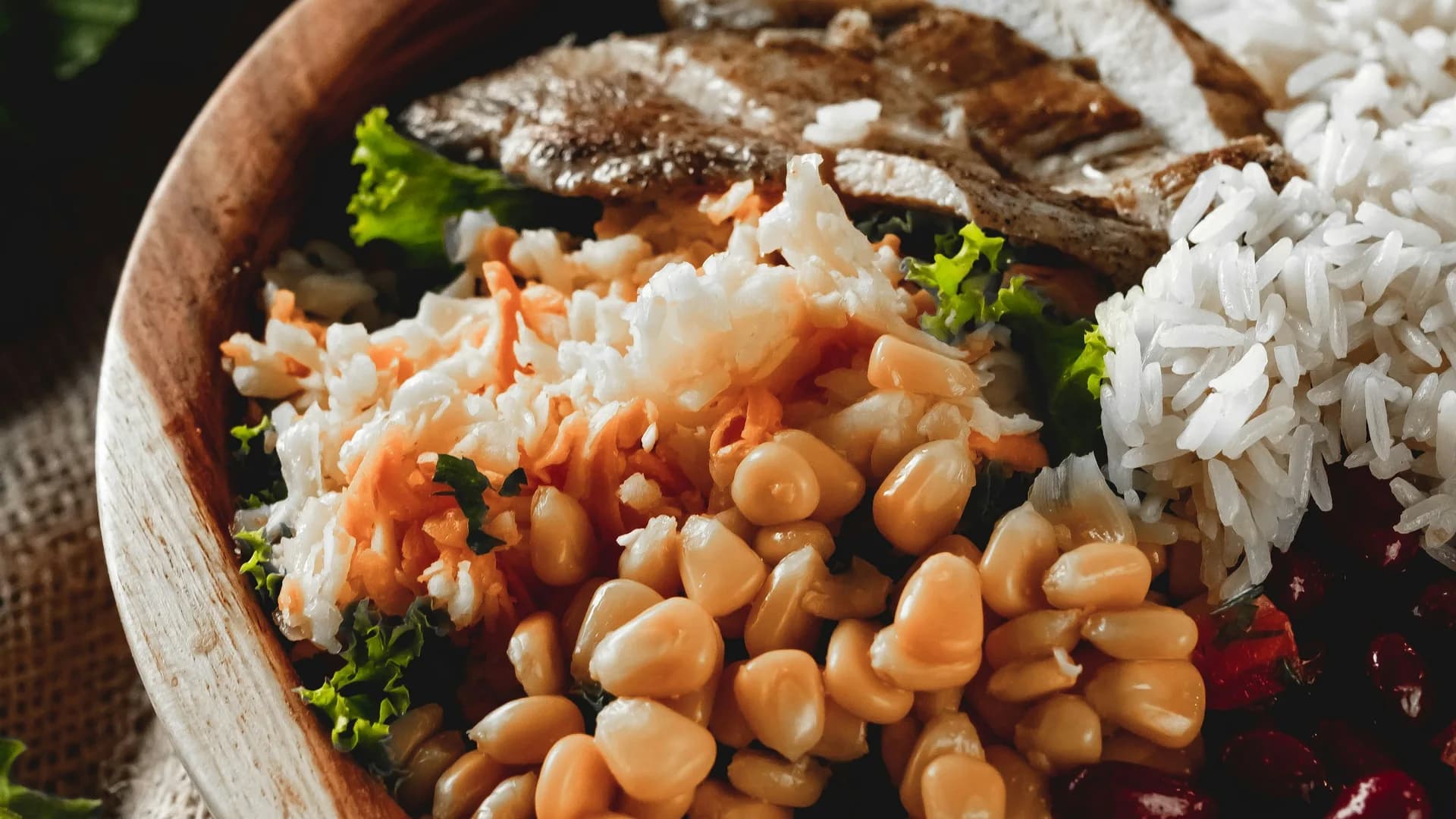
- Lunch for the office: Chickpea bowl with vegetables and feta or chicken.
- Snack: Edamame or a handful of nuts.
- Dinner: Lentil pasta with tomato sauce and vegetables.
All quick to prepare, affordable and perfect for a busy week.
Protein or fibre – which matters more?
Both. They have different jobs. Don’t just look at the big number on your protein bar – look at your diet as a whole.
Training is only one part of progress
Training sets the stimulus. Nutrition, sleep and recovery make sure your body does something with it.
Make your progress visible
With the Body Scan at GYMONE Zurich Altstetten, you can see how training and nutrition change your body. The gym is open 24/7 and 2 minutes from the station.
Your training. Your progress. Your GYMONE.
Frequently Asked Questions (FAQ)
How much protein do I need to build muscle?
If you do regular strength training, you need around 1.2–1.6 g of protein per kg of body weight per day. At 70 kg, that’s roughly 85–110 g.
What is fibermaxxing?
Fibermaxxing is a social media trend that means deliberately eating more fibre. It makes sense as long as you increase it gradually and drink enough water.
How much fibre should I eat per day?
Around 30 g. Good sources are legumes, oats, whole grains, vegetables, fruit, nuts and seeds.
Do I need protein shakes?
No. Shakes are convenient, but you can get your protein from regular food too.
Note: These tips are general and do not replace personal medical advice.